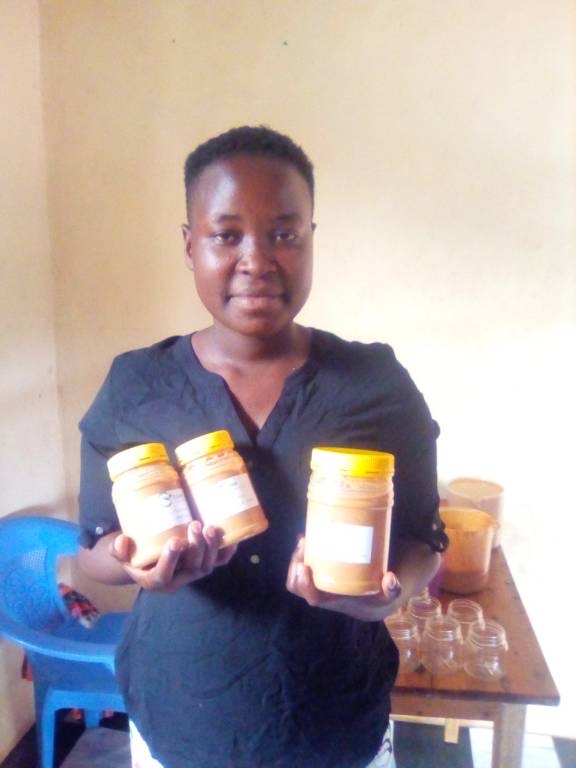
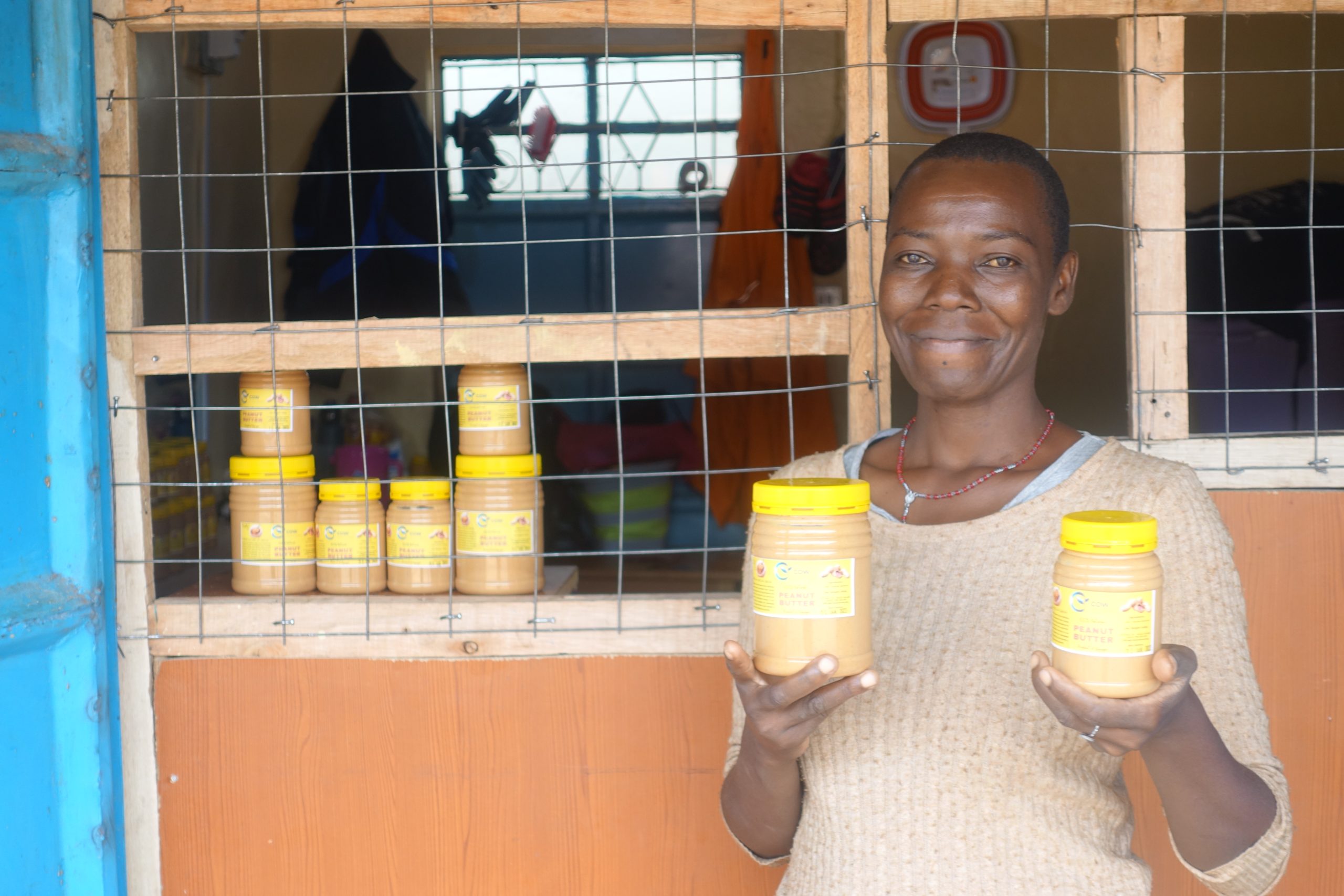
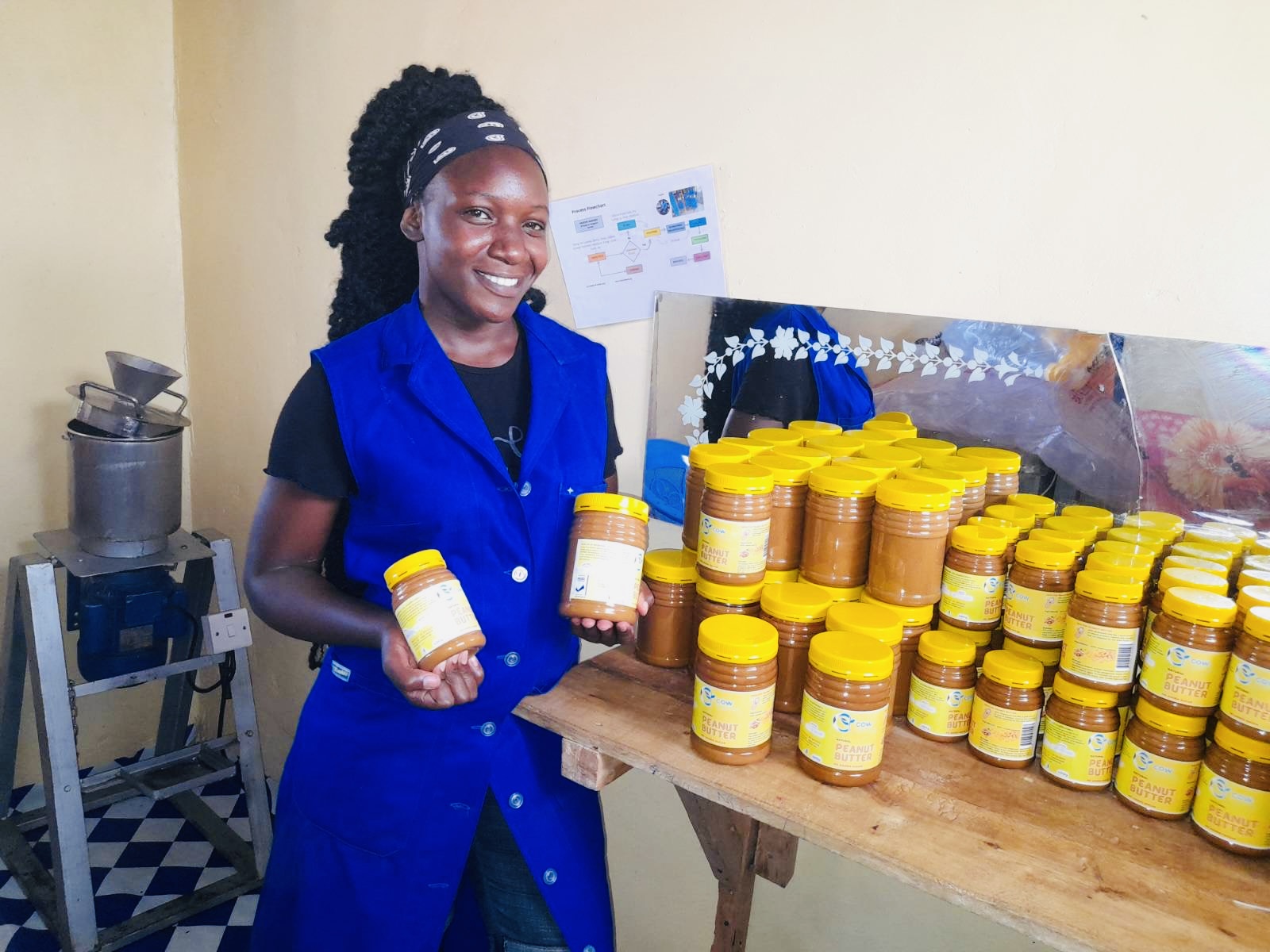
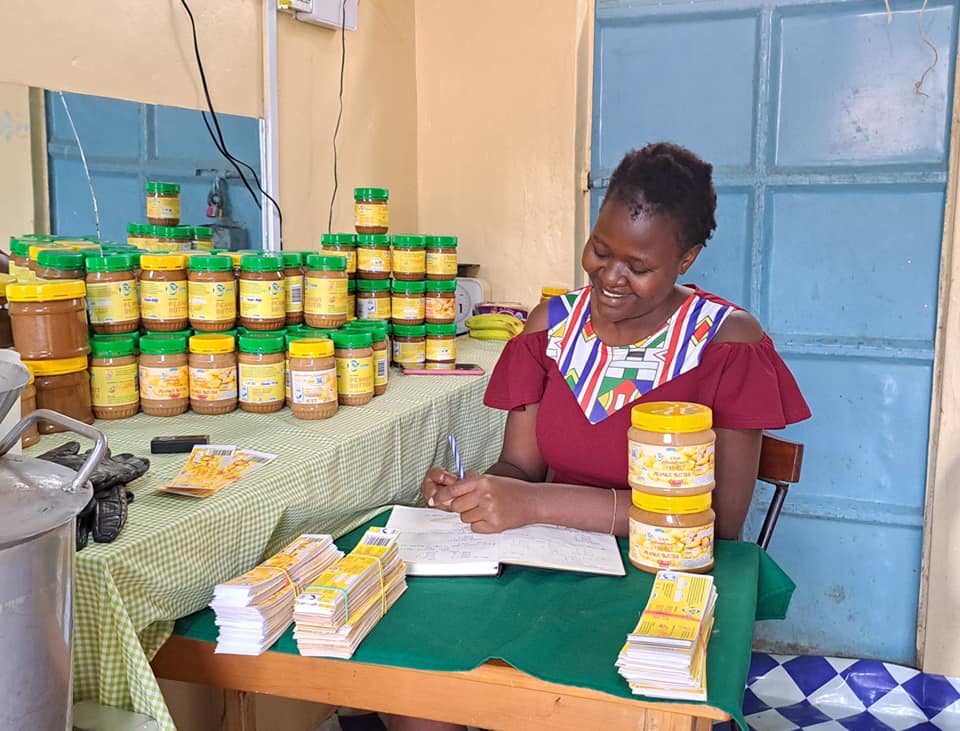
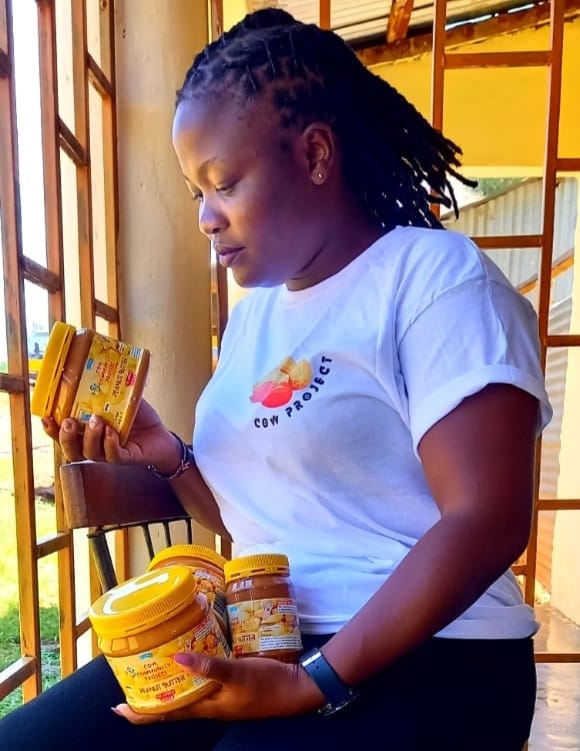
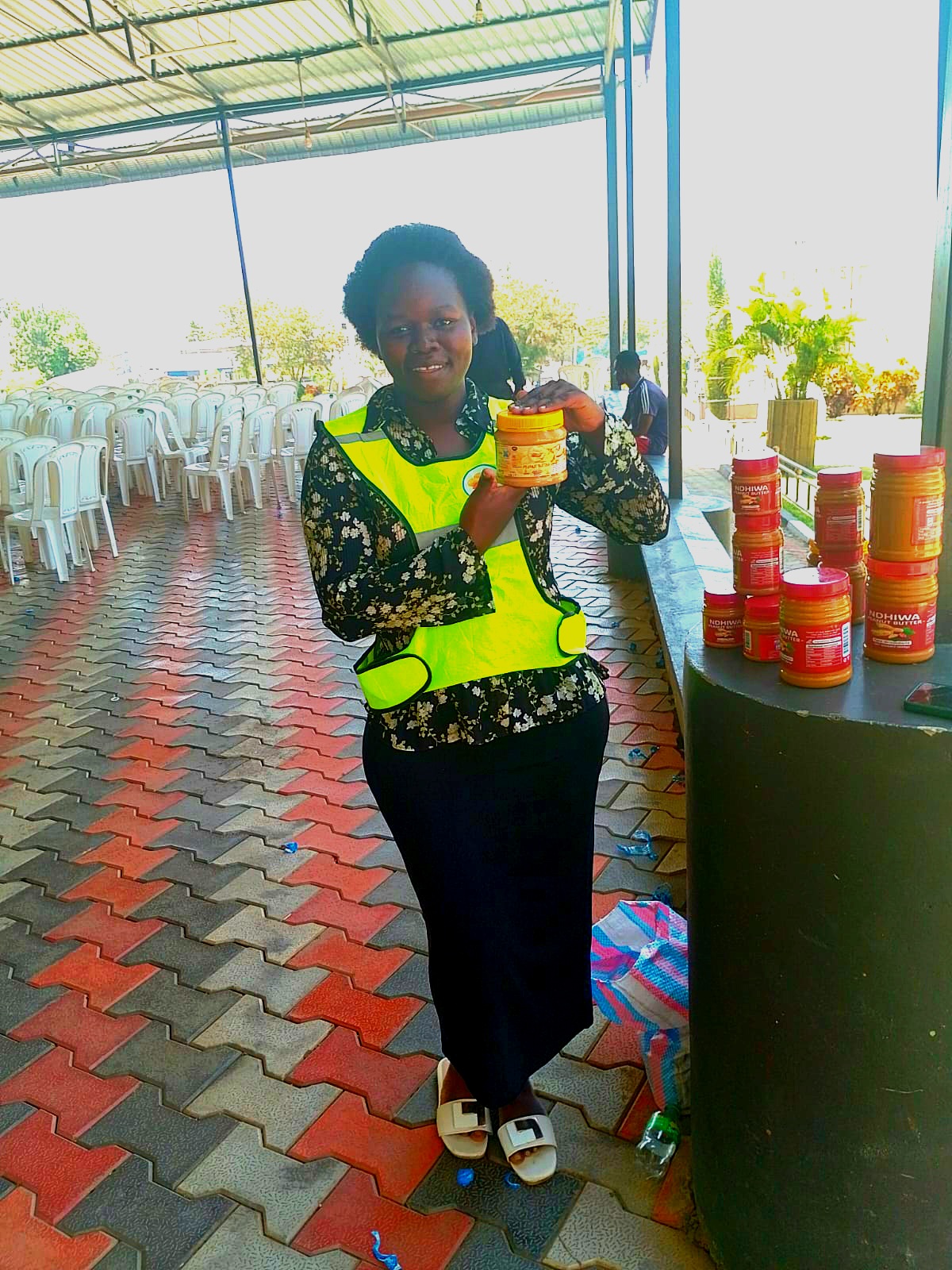
Our first step was moving from a simple idea to a clear, shared vision by listening to farmers, schools, and local leaders to understand the community’s needs and potential. We then focused on building community support by engaging volunteers, holding forums, and running early demonstrations that inspired local ownership. With strong grassroots momentum, we formalized the project by drafting a constitution, consulting local authorities, and completing government registration. These three foundational steps: shared vision, engagement, and a structured approach, remain the bedrock of our growing mission.
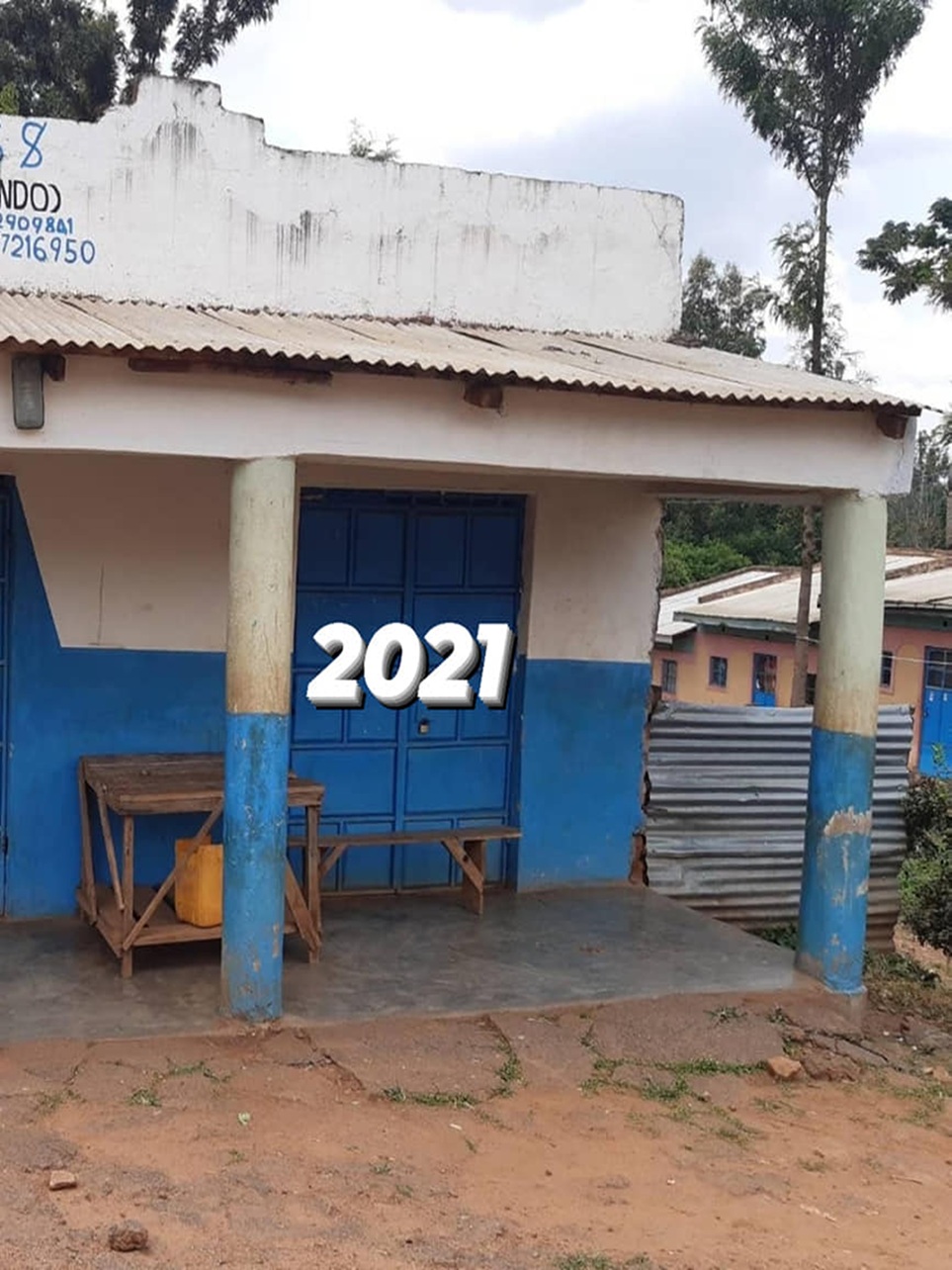
2021 – Laying The Foundation
The inaugural year marked the start of transformation. The building, once abandoned and weathered by years of neglect, was little more than a crumbling shell. Its leaking roof, cracked and dirty walls, and broken floors told tales of decay but also held promise for renewal. Despite limited resources, a strong community spirit drove us to clear debris, repair structural damage, and reinforce walls. Volunteers and local craftsmen breathed new life into the forgotten space. It wasn’t perfect yet, but it was no longer lifeless. The journey had just begun.
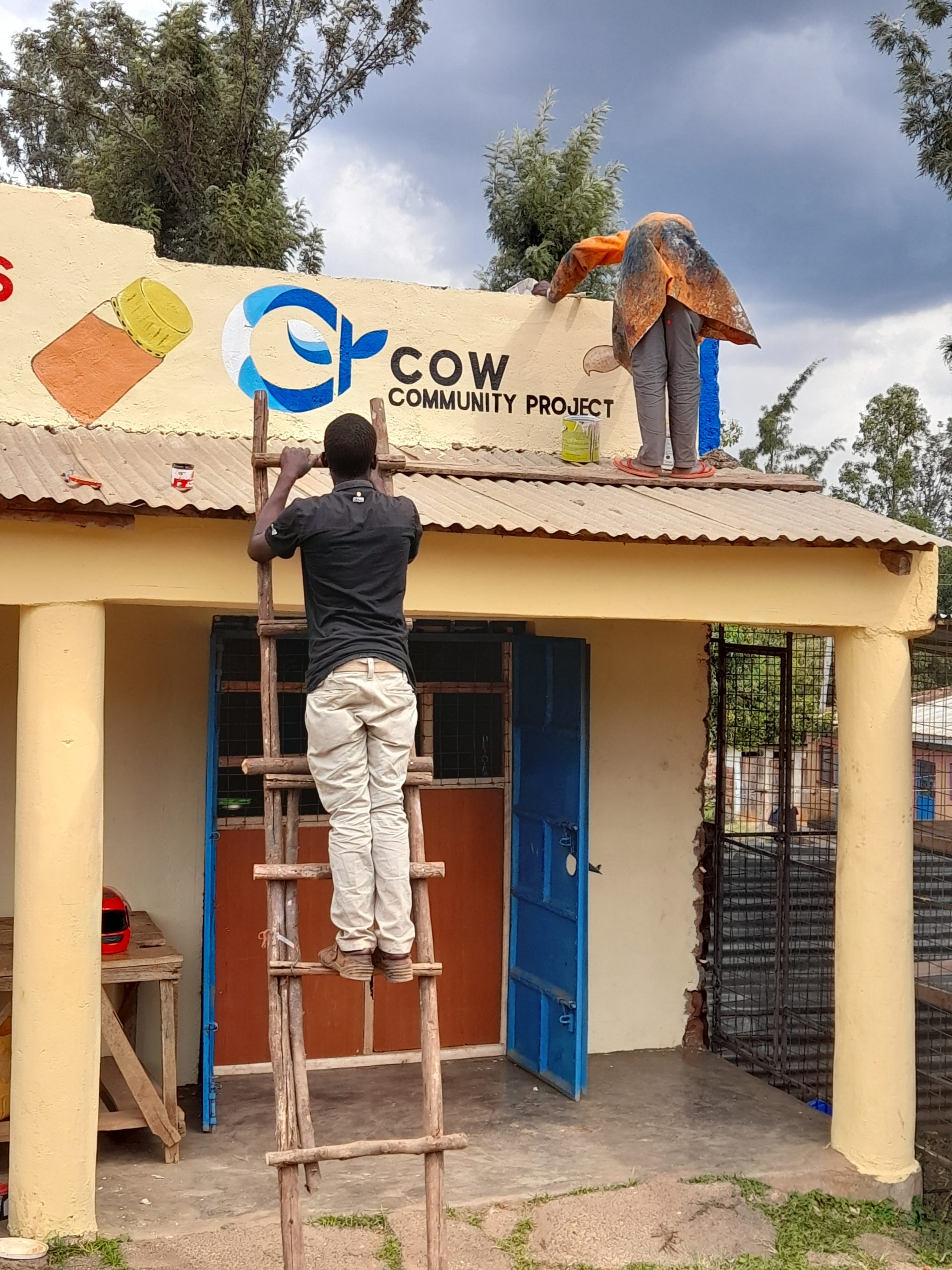
2023 – Rennovation With Purpose
By 2023, the project gained significant momentum. With growing community support, walls were restored, and key additions like an outdoor grill enhanced the space. The facility evolved into a functional hub: a small room was transformed into a training area, storage, and office. Project branding and community-centered artwork brought color and meaning to the building. It was no longer just about restoring a structure; it was about creating a space that served the people. The building began to embody resilience, unity, and empowerment.

2025 – A Modern Empowerment Hub
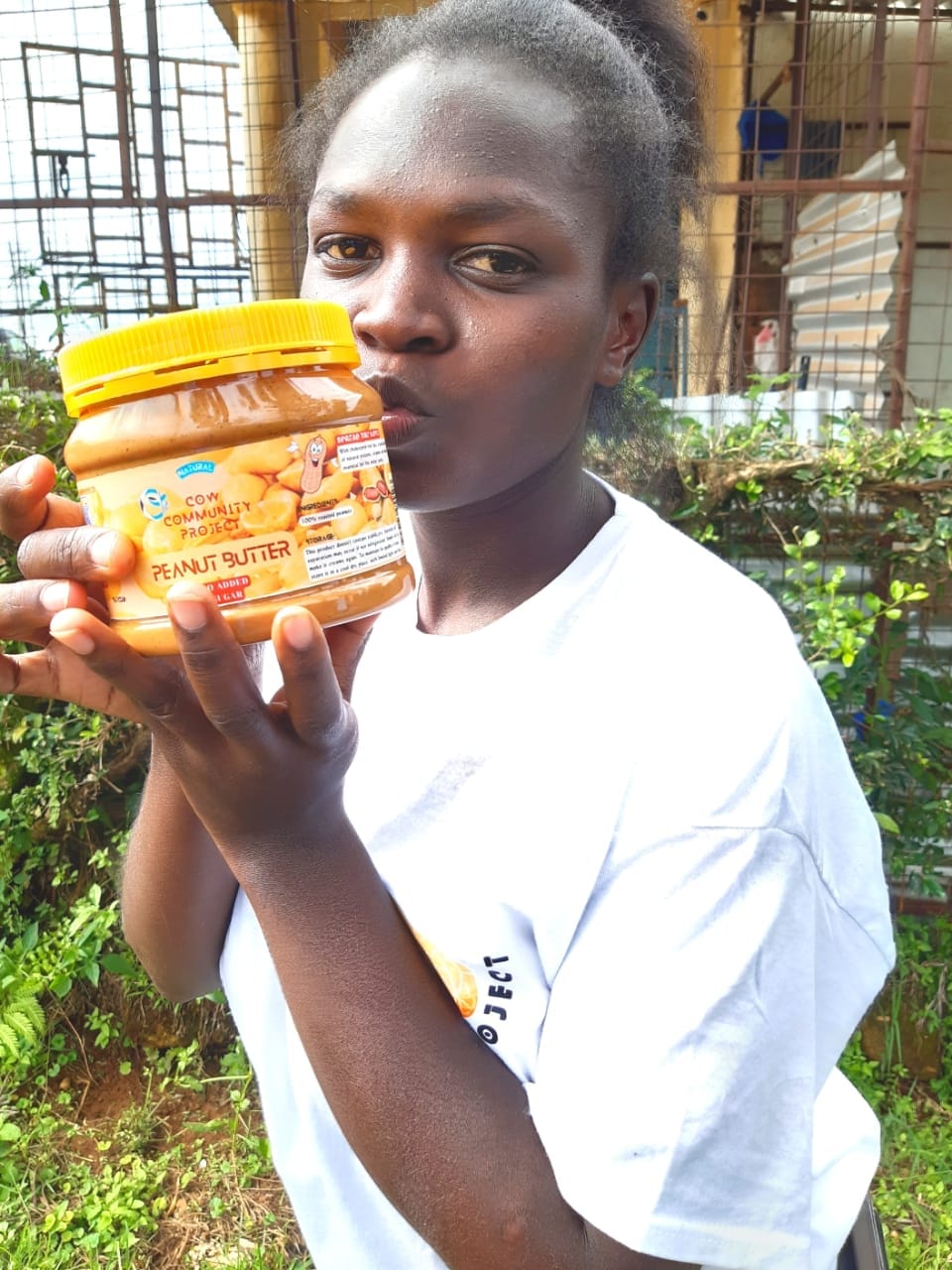
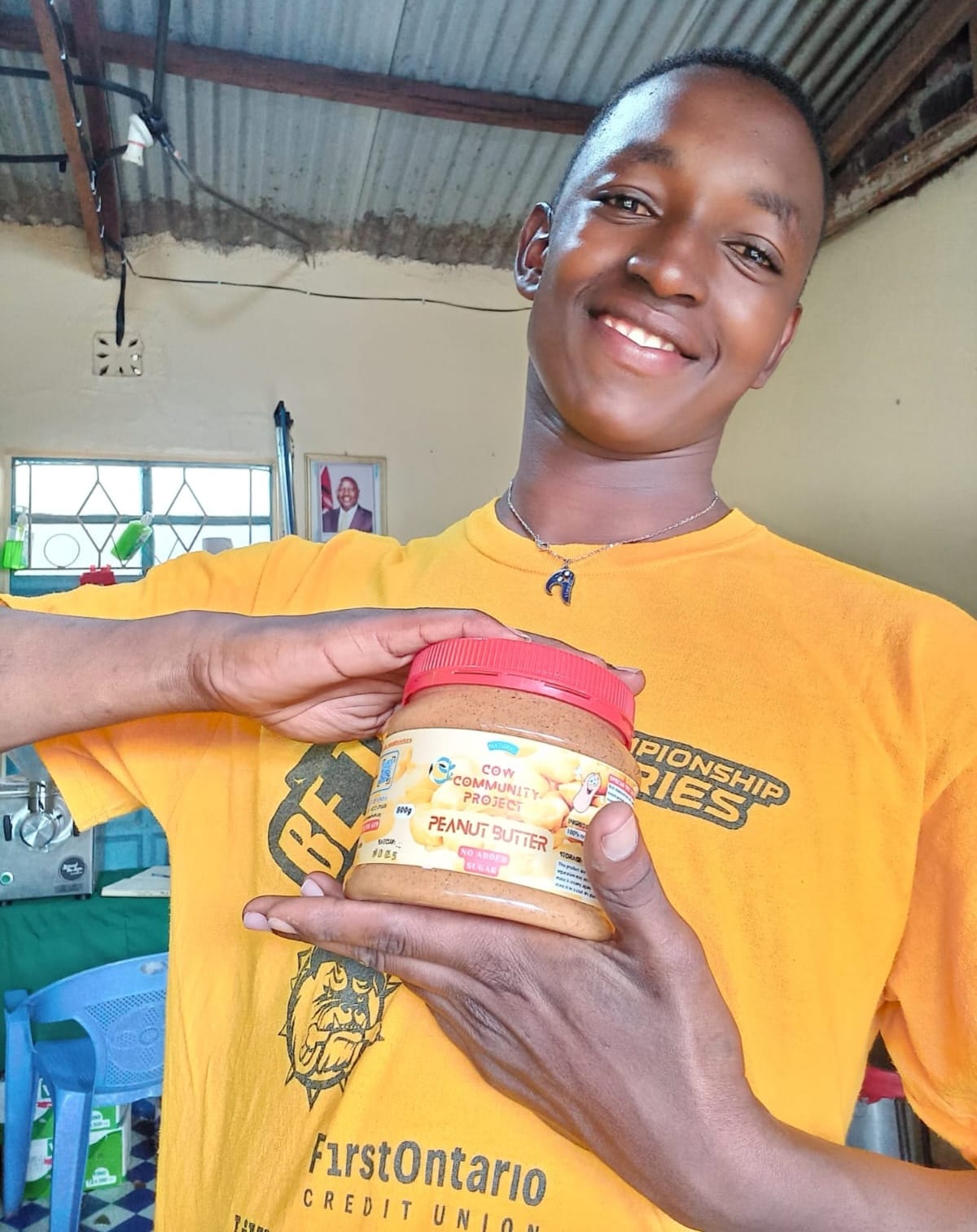
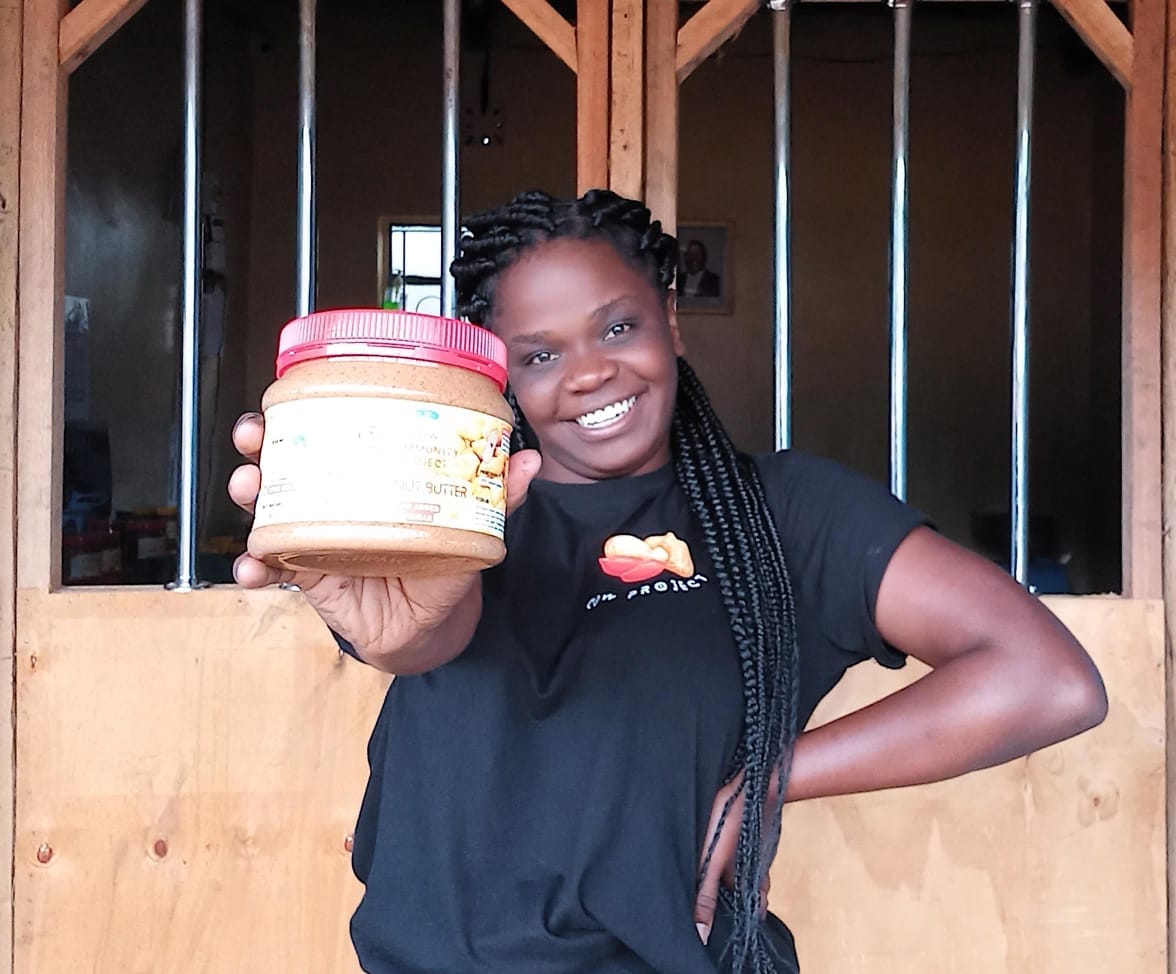
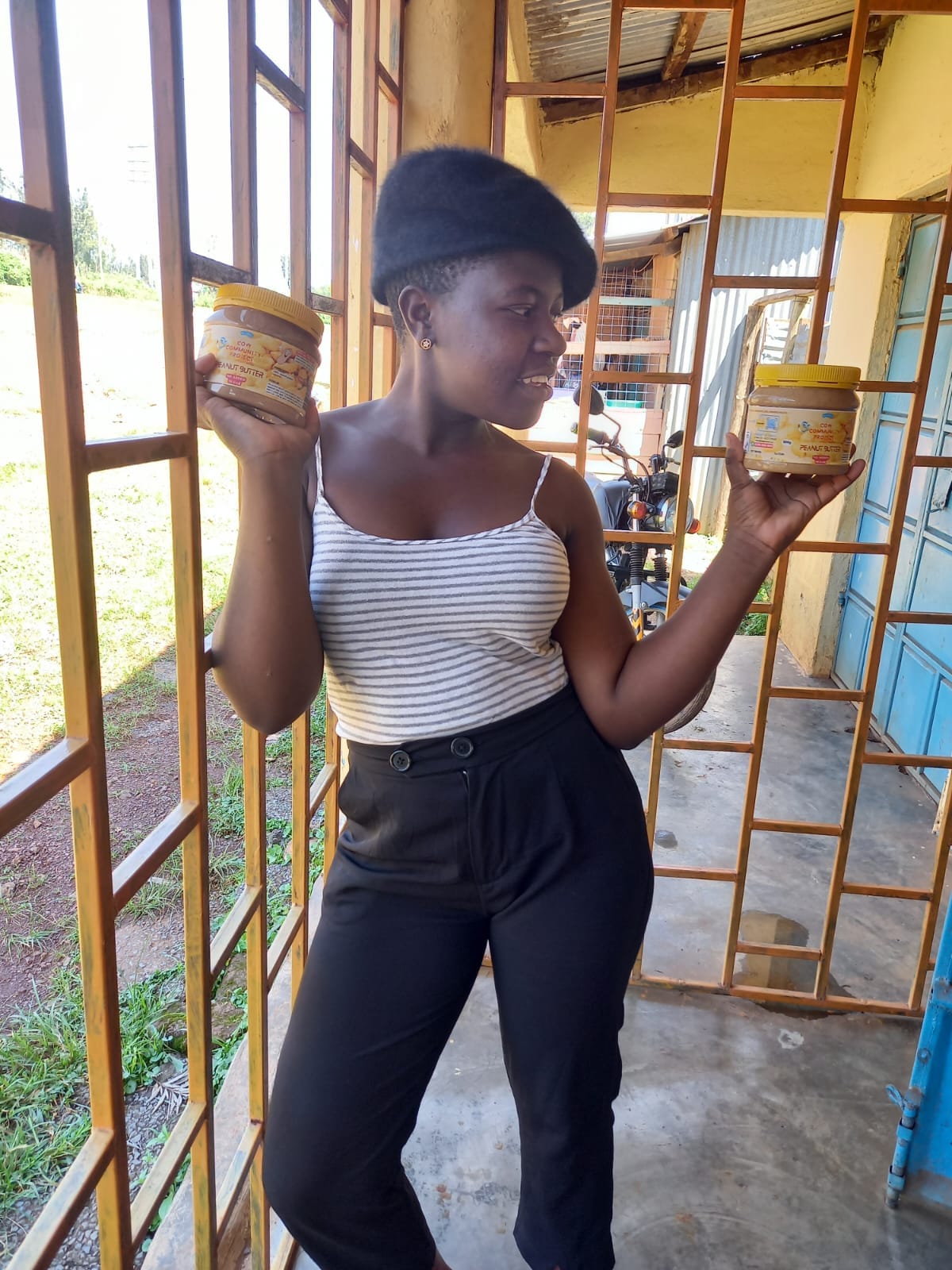
By 2025, the transformation was complete. The facility now operates as a vibrant, modern center of empowerment; a proud symbol of progress. Fully furnished and equipped with tools, technology, and safety features, it hosts daily activities, training sessions, and meetings. Its walls resonate with laughter, ideas, and purpose. What was once an eyesore has become a beacon of hope; empowering smallholder farmers, youth, and women through initiatives like the peanut butter project. The community no longer sees an old building; they see a future being shaped within.
The Inspiration Behind the Project

The foundation of our initiative rests on the belief that sustainable development is best achieved when local communities are equipped with the necessary tools, representation, and agency to shape their own future.
What began as a casual conversation beneath a tree with a few women and young people grew into a powerful idea: to transform peanuts, a humble yet resilient crop, into a catalyst for economic change. I envisioned more than just farming – I imagined a model where farmers become entrepreneurs, harvests generate jobs, and profits are reinvested to educate children, empower women, and strengthen local infrastructure.
In late 2020, I reconnected with several childhood friends from smallholder farming families, individuals who share a deep connection to the soil, defined by resilience and dignity yet frequently overlooked and under-supported. We recognized the untapped potential of peanuts – a crop rich in nutritional and economic value but underutilized in our community. Together, we envisioned a way to improve local livelihoods while creating a platform where youth and women could genuinely thrive.
Formalizing the Dream
As the idea gained support, we knew we needed to move from an imaginary project to a structured, recognized entity. The registration process wasn’t easy. It involved drafting a clear constitution, forming a board, engaging with local authorities, and registering with the relevant government department.
Today, the small CBO has grown into a holistic development program rooted in sustainability, education, and shared prosperity. Over the years, we have learned that transformation is not only about programs; it’s about people. We have listened to farmers, walked with them in their fields, and co-created solutions that respond to real needs: from peanut value chains and food security to training, market access, and youth entrepreneurship. Every success, no matter how small, has reinforced our commitment to building systems that work for those who are vulnerable and often left behind.
Empowerment Beyond Farming
Today, our journey advances as we strengthen our ties within the community and expand our impact. Focused on sustainability, innovation, and meaningful change, we remain true to the principles of equity, dignity, and local empowerment. This journey belongs not only to us but to every smallholder farmer, child, and community member who envisions a brighter future. Our story is your story; a shared path of hope, respect, and collective progress.