
We invite volunteers, aspiring farmers, and enthusiasts eager to learn or share their knowledge. Whether planting, caring for crops, harvesting, or processing, there are numerous hands-on opportunities to get involved. By joining our farming community, you help build a sustainable food system that supports us all.
Compelling Reasons to Become Part of the COW Project
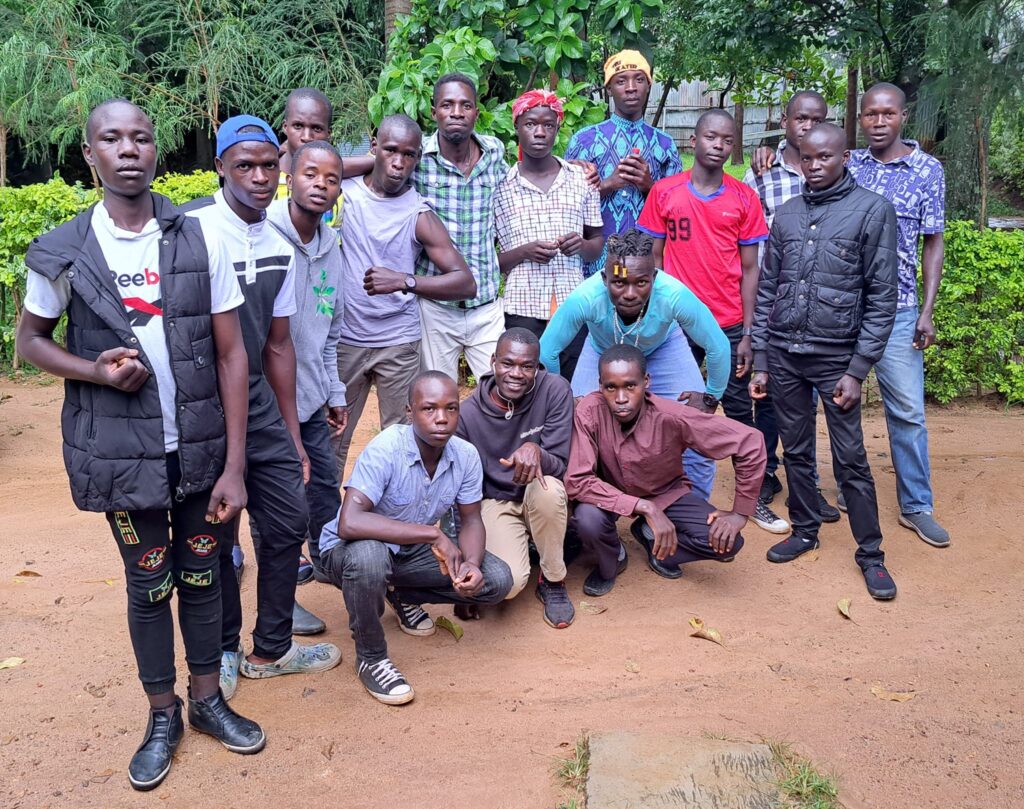
Joining the COW project provides smallholder farmers, community members, and supporters with a unique chance to drive sustainable agricultural growth and economic empowerment. As members, we collaborate in unity, sharing resources, knowledge, and market opportunities to amplify our collective impact. We foster an inclusive environment where women and young people lead, innovate, and succeed in both farming and market ventures. Discover how you can become involved today.
1. Opportunities for Training and Skills Enhancement
Members gain practical training in peanut cultivation, quality assurance, and organic farming techniques, empowering them to enhance crop value and increase yields. We provide business and financial management workshops designed to help farmers develop successful micro-enterprises, equipping them with vital skills for sustained growth.
2. Income Generation and Financial Stability
The project links its members to profitable market opportunities, enabling them to earn higher income from peanut butter sales compared to selling raw peanuts alone. Members gain from a unified community brand that boosts product visibility and drives steady demand, resulting in reliable earnings.
3. Access to Resources and Equipment
Members get access to important tools like shelling machines, storage spaces, and high-quality peanut seeds, which can be costly for farmers on their own. Sharing these resources lowers costs, boosts production, and helps small farmers do better.
4. Market Access and Branding Support
Through the peanut butter project, the project helps smallholder farmers create a marketable product that appeals to customers and stands out in competitive markets. Members have the advantage of a collective brand that is promoted through local markets, trade fairs, and other platforms, giving them broader market reach.
5. Opportunities for Community Engagement and Networking
Membership links farmers to a vibrant community of peers and mentors, promoting collaboration, knowledge exchange, and mutual support. The project hosts events, workshops, and meetings that provide members with valuable opportunities to network, learn, and stay updated on the latest industry trends.
6. Empowerment of Women and Youth
The project utilizes eco-friendly production methods, empowering farmers to satisfy the growing consumer demand for sustainable natural products. Women and youth, who often face barriers to economic participation, are given a platform within the CBO to learn, develop, and lead. Rather than migrating to nearby cities in search of opportunities, young people can now build a future at home through farming and food production. Membership in the project is central to transforming the peanut value chain into a sustainable driver of community growth.
8. Enhanced Food Security and Community Growth
Through local production, the project improves food security by creating a nutritious, affordable product readily available in the community. Membership contributes to local economic growth, enhancing community resilience and stability through cooperative development and local employment
9. Visibility and Advocacy Opportunities
Membership provides a platform to advocate for smallholder farmers’ interests and share their stories, highlighting their vital role in sustainable agriculture. The project champions smallholder farmers at regional and national levels, working to influence policies that foster their growth and success.
10. Path to Self-Sufficiency and Growth
Membership paves the way for farmers to transition from subsistence farming to sustainable entrepreneurship, with the potential for scaling their production and reaching new markets. By creating a foundation of skills, resources, and networks, the project supports members in building self-sufficiency and achieving economic independence.