
Our entrepreneurship roadmap begins by identifying all potential peanut-based business opportunities, including farming, processing, packaging, marketing, and product diversification through by-products such as peanut oil and animal feed. This approach helps community members understand the full range of possibilities within the peanut value chain and realize that entrepreneurship can succeed at every stage, not just in farming.
Planting The Seeds of Opportunity
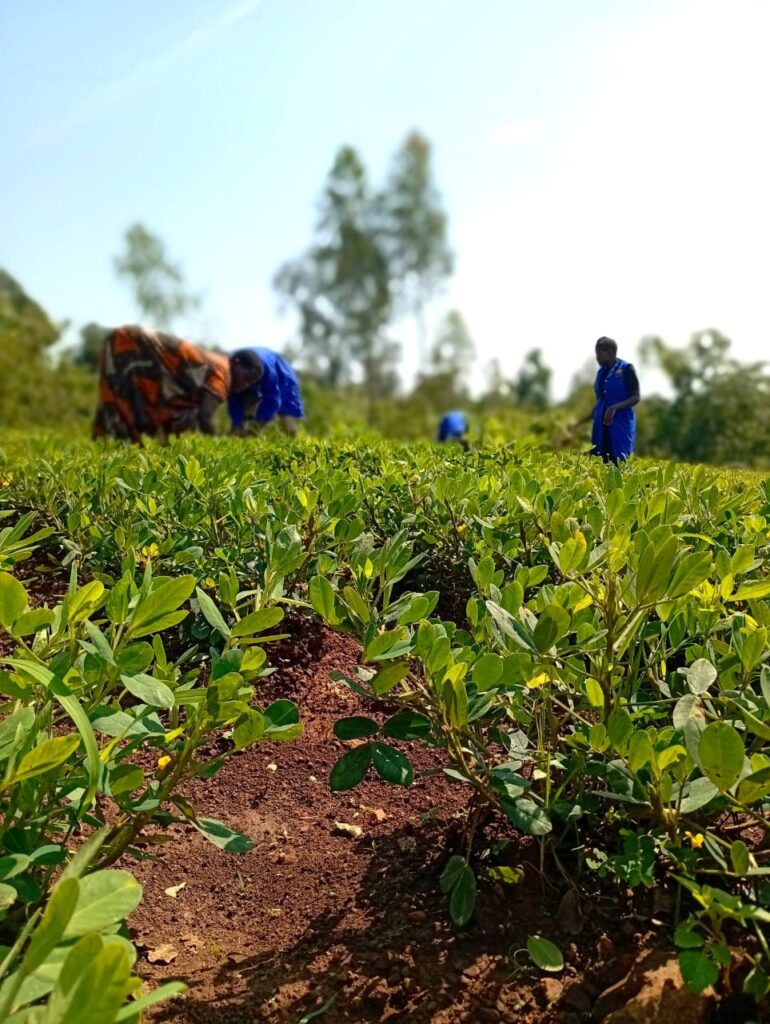
Smallholder farmers, especially women, are key to food production in our community. However, they face many challenges like small land size, limited access to resources, changing markets, and poor infrastructure. Social and cultural barriers also stop many from fully joining farming activities. Without empowering women and youth in farming, the gaps in income and opportunities grow bigger, making growth less fair. Our empowerment starts by understanding farmers’ situations and helping them use their land, skills, and crops fully. Through social change, we are creating a generation ready to fight poverty with creativity, courage, and commitment.
Why Peanuts?
Peanuts are relatively easy to grow and manage, especially for smallholder farmers. They require minimal inputs, thrive in the local climate, and are well-suited for intercropping or crop rotation. This makes them an accessible starting point for smallholder farmers and entrepreneurs looking to increase income with limited resources. Once harvested, peanuts hold significant value in raw and processed forms, making them a profitable business opportunity.
Peanuts have been a beloved snack for generations, offering a unique combination of taste, nutrition, and versatility that makes them stand out from other nuts. Their rich, earthy flavor and satisfying crunch provide a delightful eating experience that appeals to a wide range of tastes. Beyond their delicious taste, peanuts are packed with essential nutrients, including protein, healthy fats, vitamins, and minerals, making them an excellent choice for a healthy diet.
In addition to their nutritional benefits, peanuts are incredibly versatile and can be enjoyed in numerous ways: from simple roasted peanuts to peanut butter, peanut sauces, and even incorporated into various recipes. Their affordability and availability year-round make them an ideal option not only for business but for improving community nutrition.
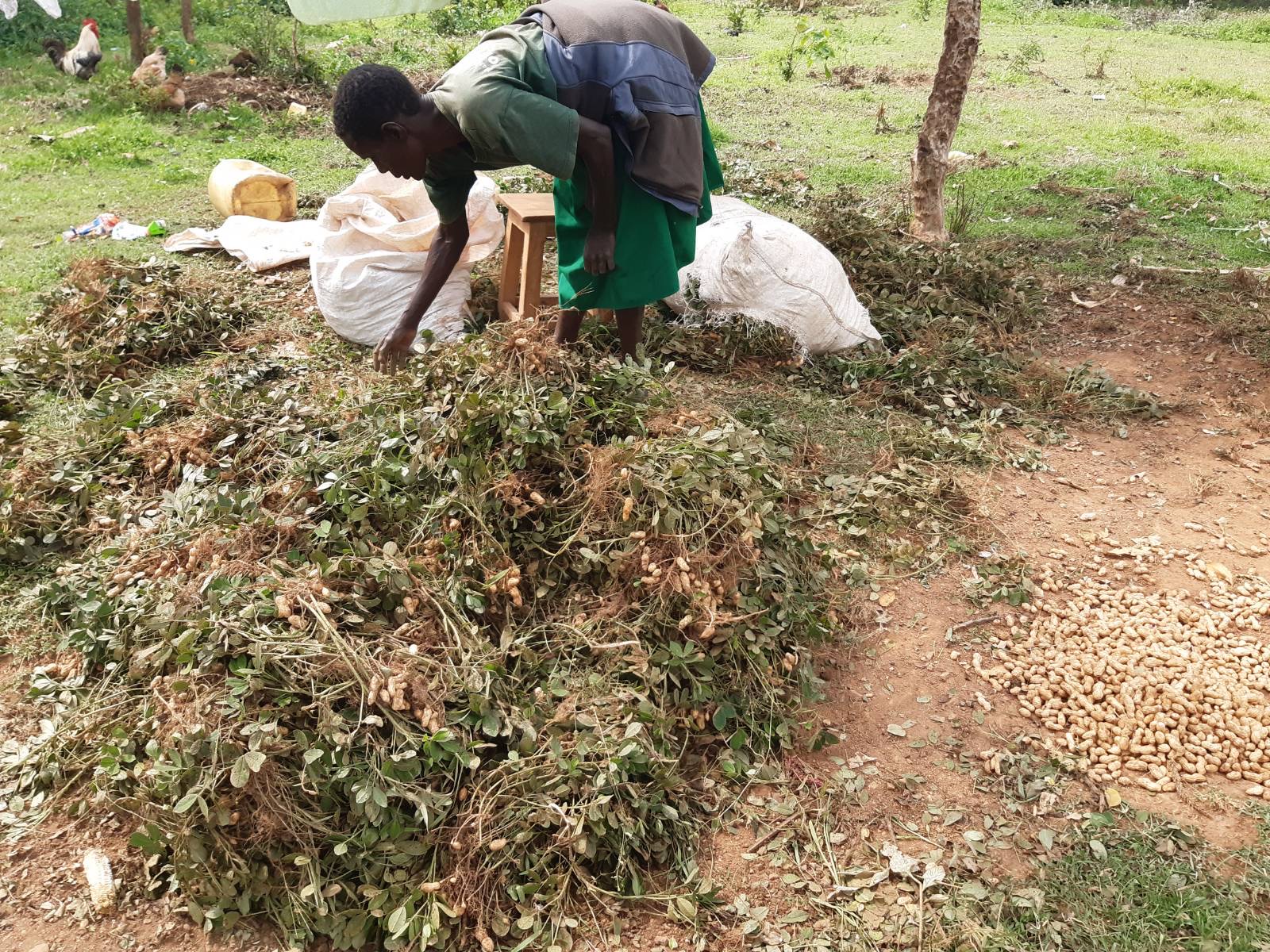
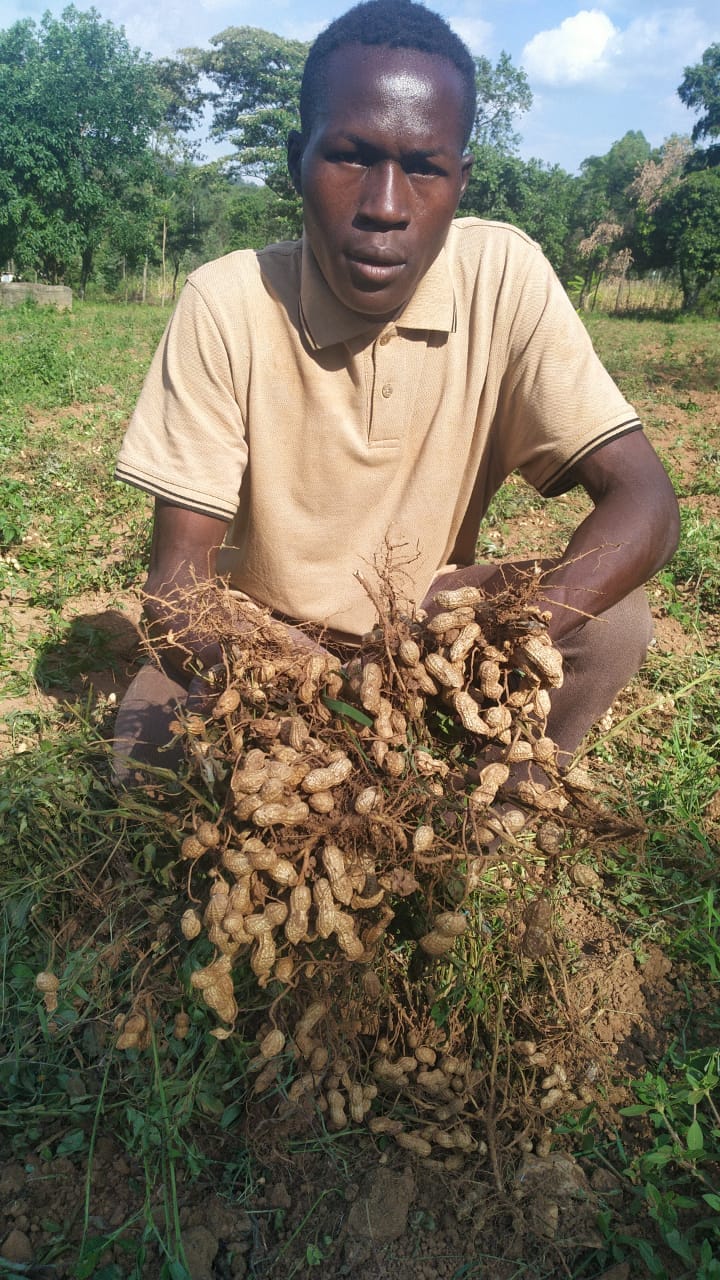

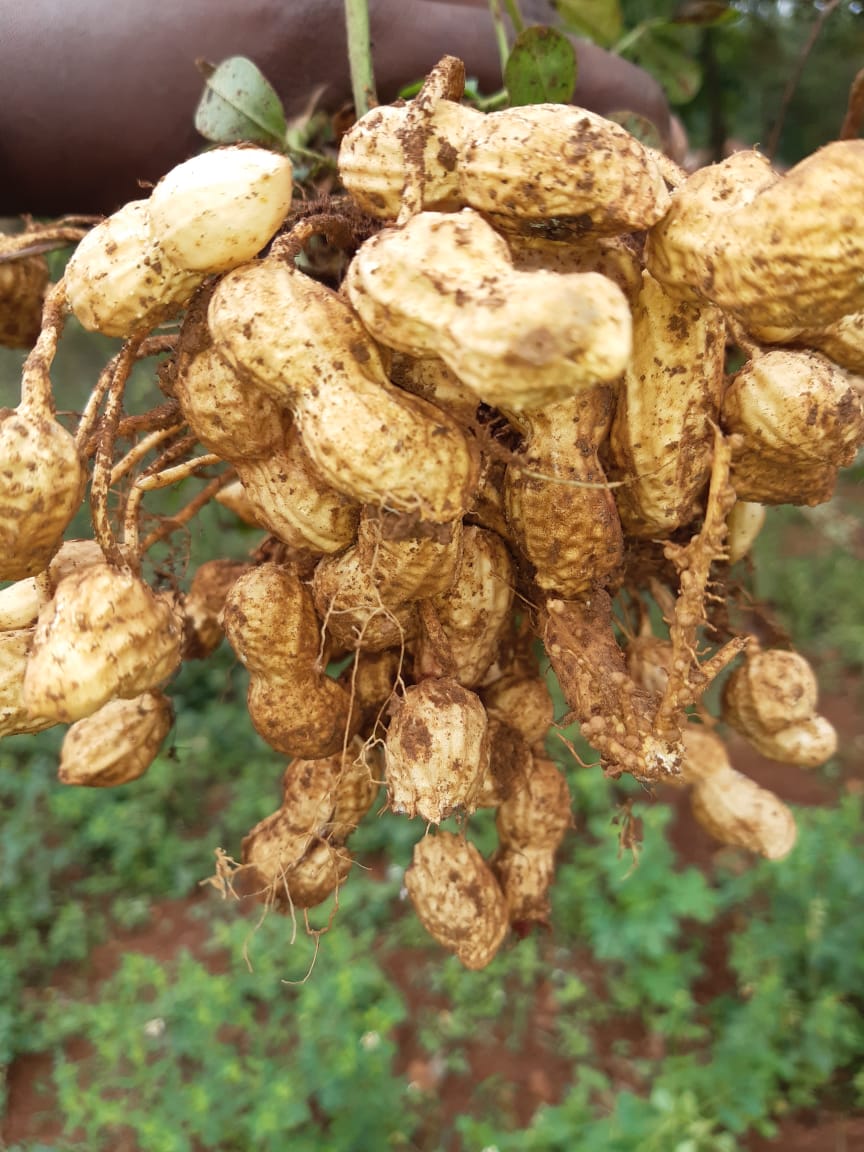
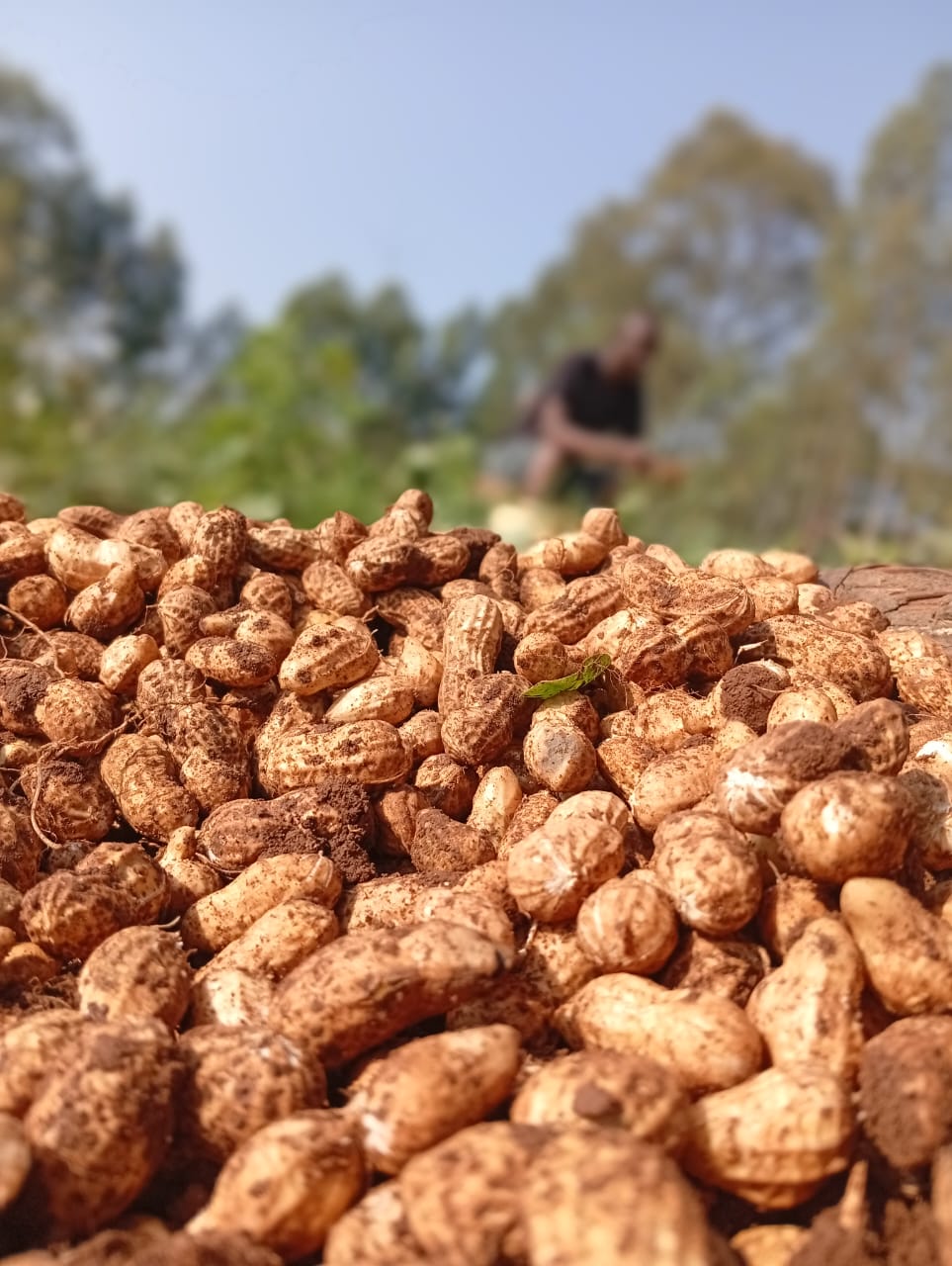
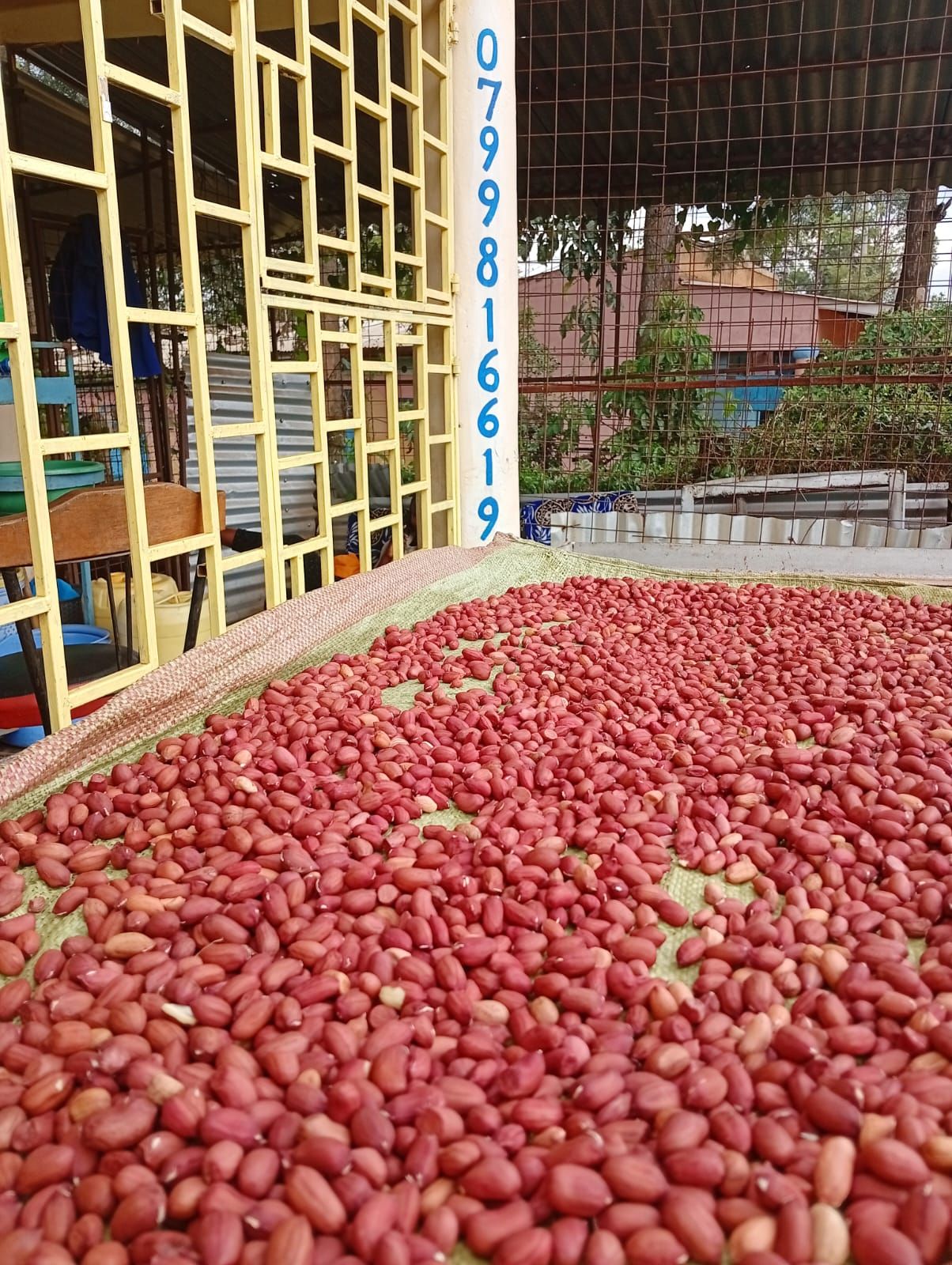

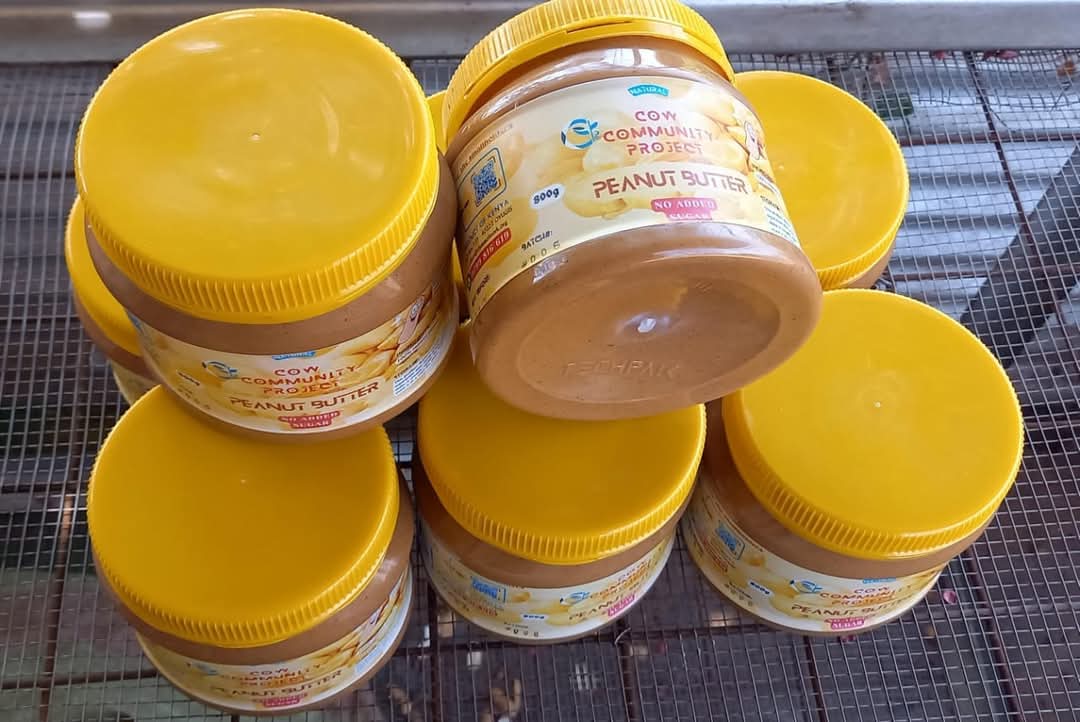
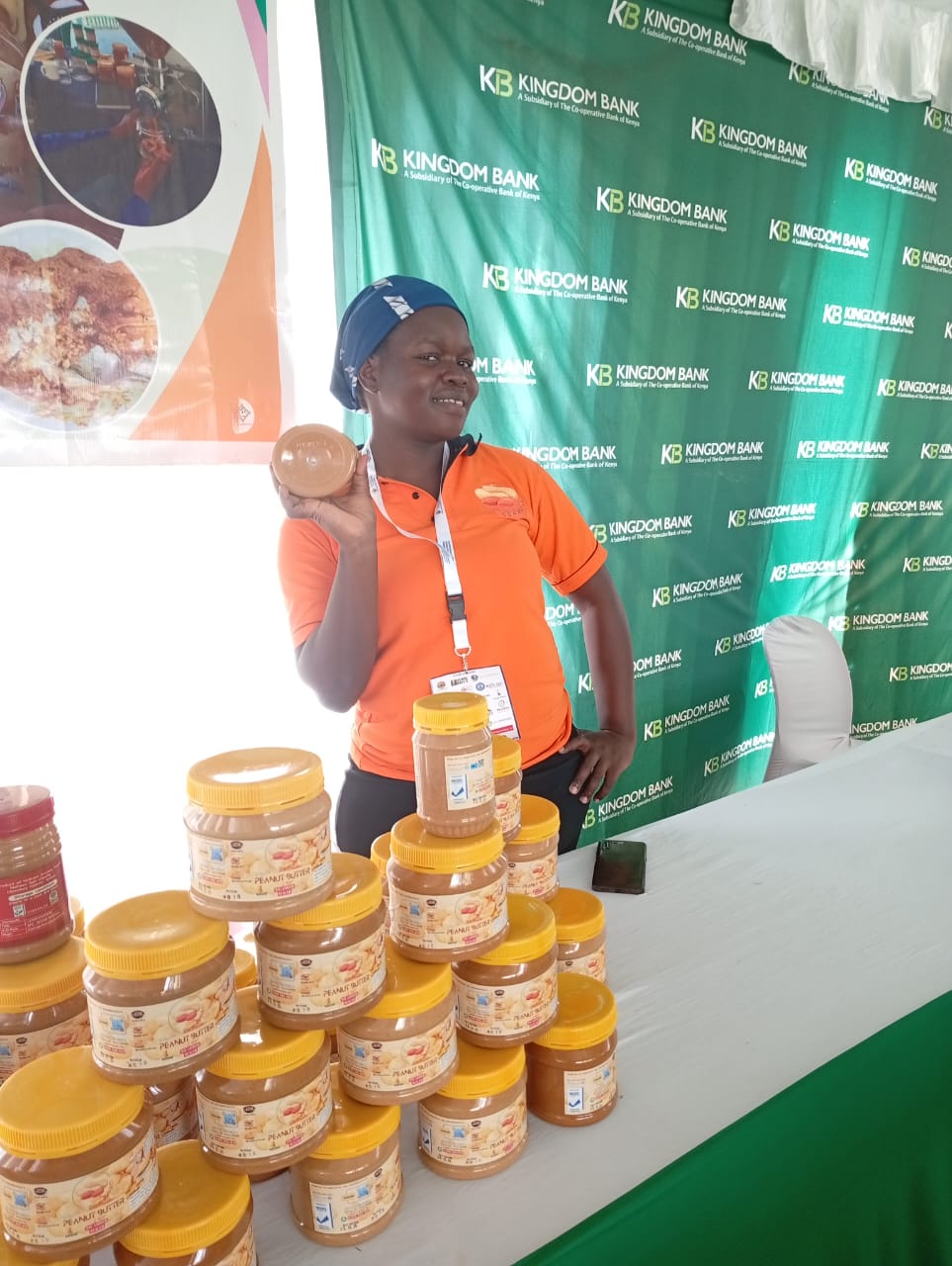
Processing of peanut-derived products is an evolving value-addition strategy of the COW Project. Peanut butter is a popular food spread and a common source of proteins among households in Homabay. Our project empowers local smallholder farmers to enhance their income by transforming peanuts into peanut butter through value addition, capacity-building, and sustainable market development. The initiative aims to address the challenges faced by smallholder farmers in achieving fair prices for their harvests. By equipping farmers with the skills and resources needed to produce and market peanut butter, our project seeks to enhance livelihoods, promote gender equity, and foster sustainable agricultural practices. This forms part of our broader strategy for rural development and poverty reduction by integrating economic, social, and environmental aspects of sustainability.
The Four Cornerstones of Our Sustainable Model
Resilient Farming Systems
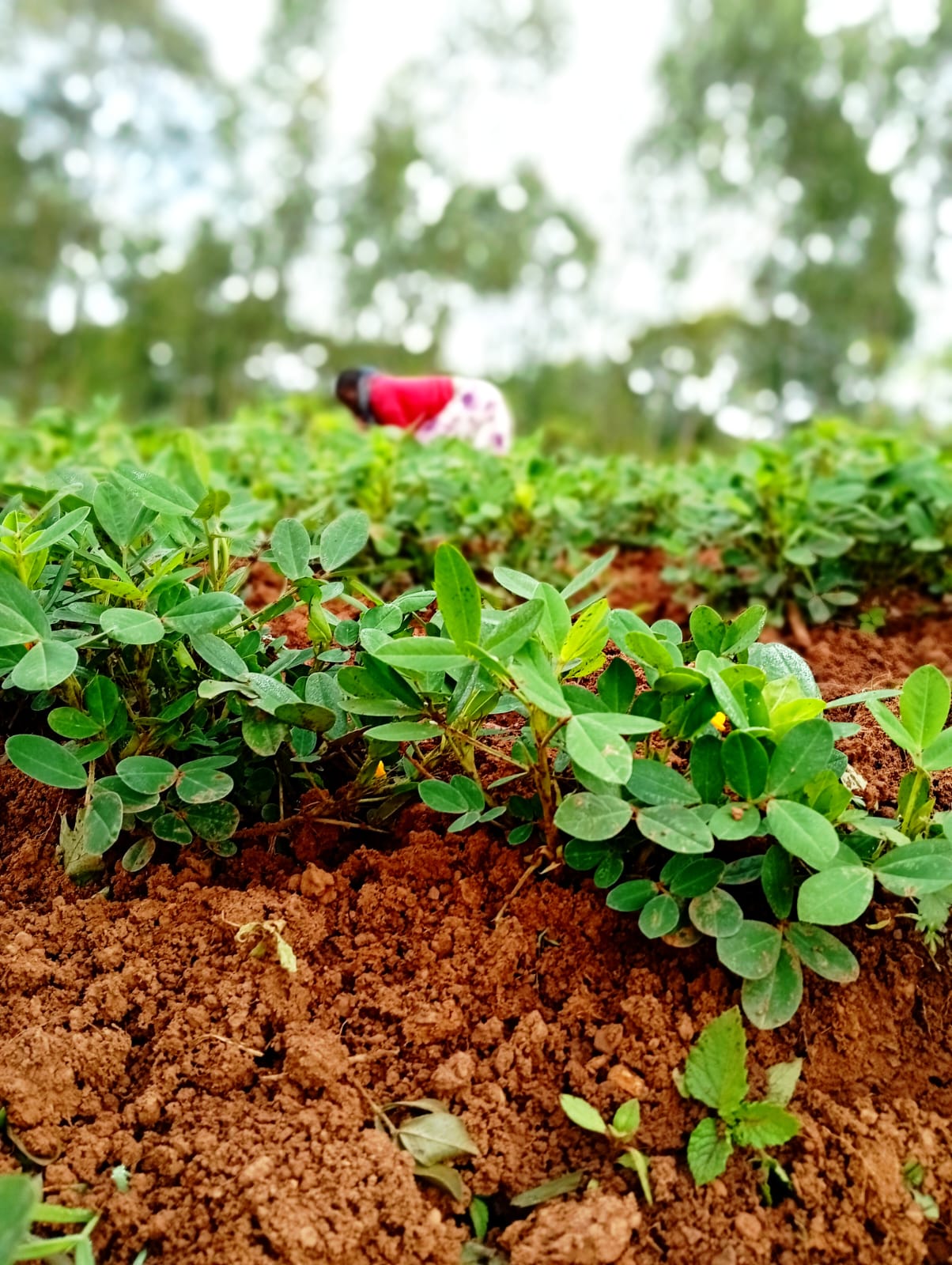
We simulate market access to locally grown peanuts, offer a paradigm shift in crop diversification and reverse outdated farming practices. Diversified farming ensures more stable yields across seasons and reduces the risk of total loss due to pests, disease, or drought. To process our sample products, raw materials for the production process are locally sourced wherever possible. By shifting from subsistence farming to income-generating agriculture, families can afford better food, healthcare, and education for their children. Their income is no longer tied to one crop or one stage of production like drying and selling cheaply to open air markets.

Livelihood Opportunities
By equipping farmers with the skills and resources needed to produce, process and market farm produce, our project seeks to enhance livelihoods, promote gender equity, and foster sustainable agricultural practices. This forms part of our broader strategy for rural development and poverty reduction by integrating economic, social, and environmental aspects of sustainability. Members already trained to process peanut butter products have significantly boosted their income potential. Youth and women, in particular, have found new roles in production, packaging, branding, and sales, opening up microenterprise opportunities that didn’t exist before.
Inclusive Economic Growth
An important feature of our initiative is its commitment to reinvesting profits back into the community. Proceeds from peanut-butter sales are reinvested in the project to expand its programs and sustain the smallholder farming community. Revenue generated from the sale of peanut products is used to upgrade processing equipment, expand storage and processing facilities, and fund further training programmes for farmers and members. A portion is also allocated to support marketing, product innovation, and distribution efforts, thereby helping the community-made peanut butter reach new markets and improve visibility both locally and regionally.
Nutritional and Food Security
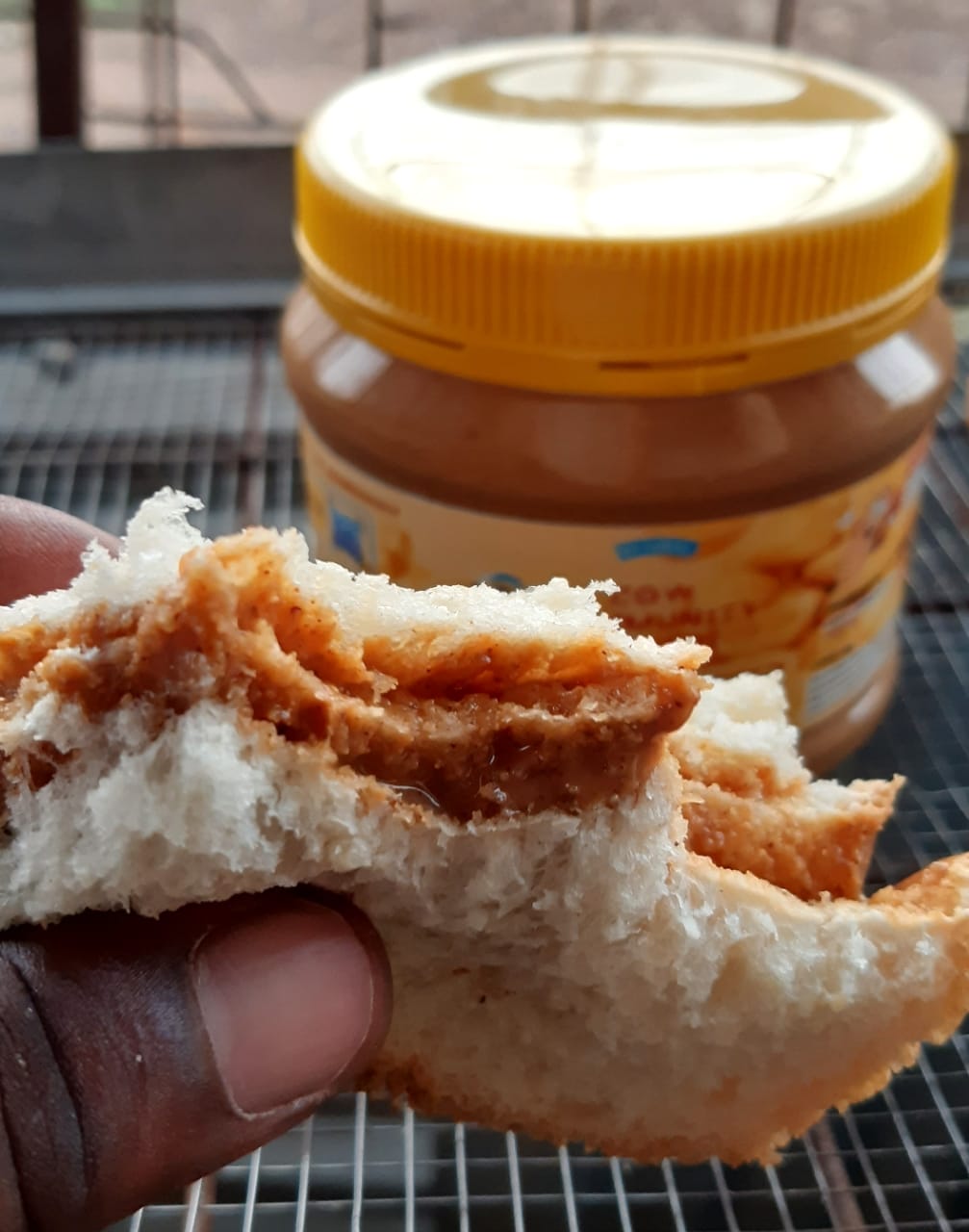
We directly contributes to food security by increasing the availability and accessibility of a highly nutritious crop. Peanuts are rich in protein, healthy fats, and essential nutrients, making them a vital food source, especially for children and vulnerable households. At the community level, we promotes nutrition awareness programs that incorporate peanuts into daily meals. These efforts improve dietary diversity and help combat malnutrition, especially among children. By supporting local production and reinvesting profits into sustainable agriculture, the initiative builds long-term food security, not just for today, but for future generations.