
Sustainable Beekeeping
In recent years, our community has faced a sharp decline in bee populations. This decrease is not isolated but stems from a combination of interrelated environmental and economic challenges. The widespread deforestation and land clearing for farming and fuel have destroyed natural habitats, reducing the variety of flowering plants that bees rely on for nutrition year-round. Extended dry seasons and erratic weather patterns have further disturbed flowering cycles, depriving bees of stable food sources. Moreover, the lack of organized beekeeping methods and modern equipment in the past resulted in poorly managed colonies, making them more susceptible to diseases, pests, and colony collapse.
The impact of this decline has been extensive. Reduced pollination has led to lower crop yields, affecting peanuts and other essential food crops, which in turn has weakened the success of related programs like the peanut butter project. Simultaneously, decreased honey production has limited income diversification, heightening economic vulnerability for participating households and reducing motivation for environmental conservation.
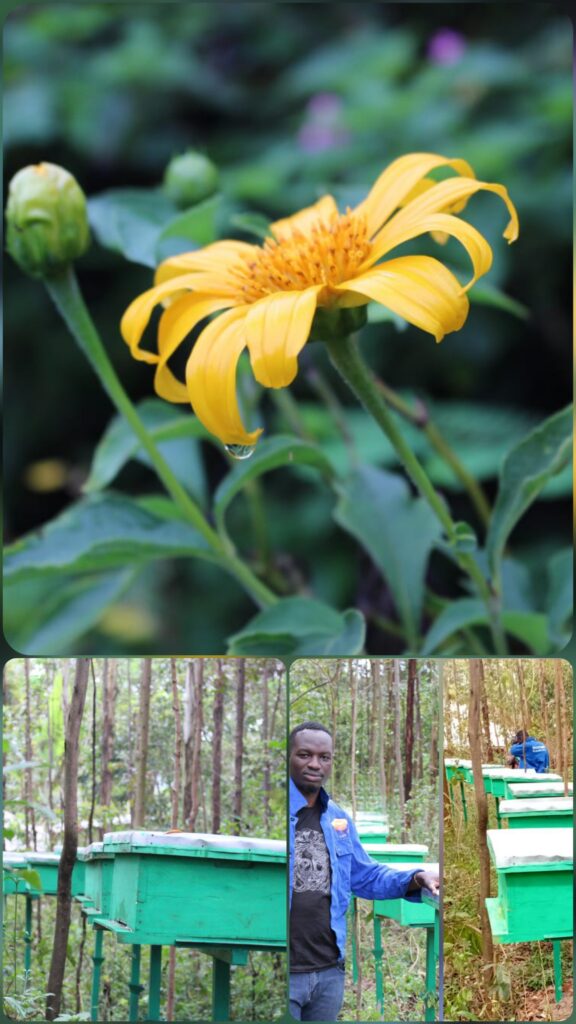
In this first-quarter of 2026, we commit to take decisive action. The project will focus on restoring and protecting bee populations through organized beekeeping, sustainable land-use practices, and the procurement of specialized bee processing equipment. These efforts aim to strengthen hive health, improve honey quality, and ensure consistent pollination services.
This initiative goes beyond recovery; it focuses on integration and resilience. Revitalizing beekeeping will directly enhance agricultural productivity, boost the peanut butter project with higher yields and diversified income, and restore a harmonious balance between the community and its ecosystem. The milestone in 2026 will set the stage for lasting environmental restoration, economic stability, and community-driven development.